
Our decisions are influenced by our surroundings, and sometime over the last 10 years, we have based a large chunk of our decision making around what would work well on the algorithm. (I refer to the greater group of internet algorithms, encompassing organic and paid algorithms across meta, google, tik tok etc.)

We don’t like to think about how much we’ve become slaves to the algorithm, but sometimes, it’s useful to ask: how did we get here?
Let’s cast our minds to the ingredient led skincare trend. Ingredient-led skincare refers to skincare marketed around specific high performing ingredients (i.e. retinol, niacinamide, or now, ectoin) rather than claim based promises such as ‘anti-ageing’ or ‘organic’
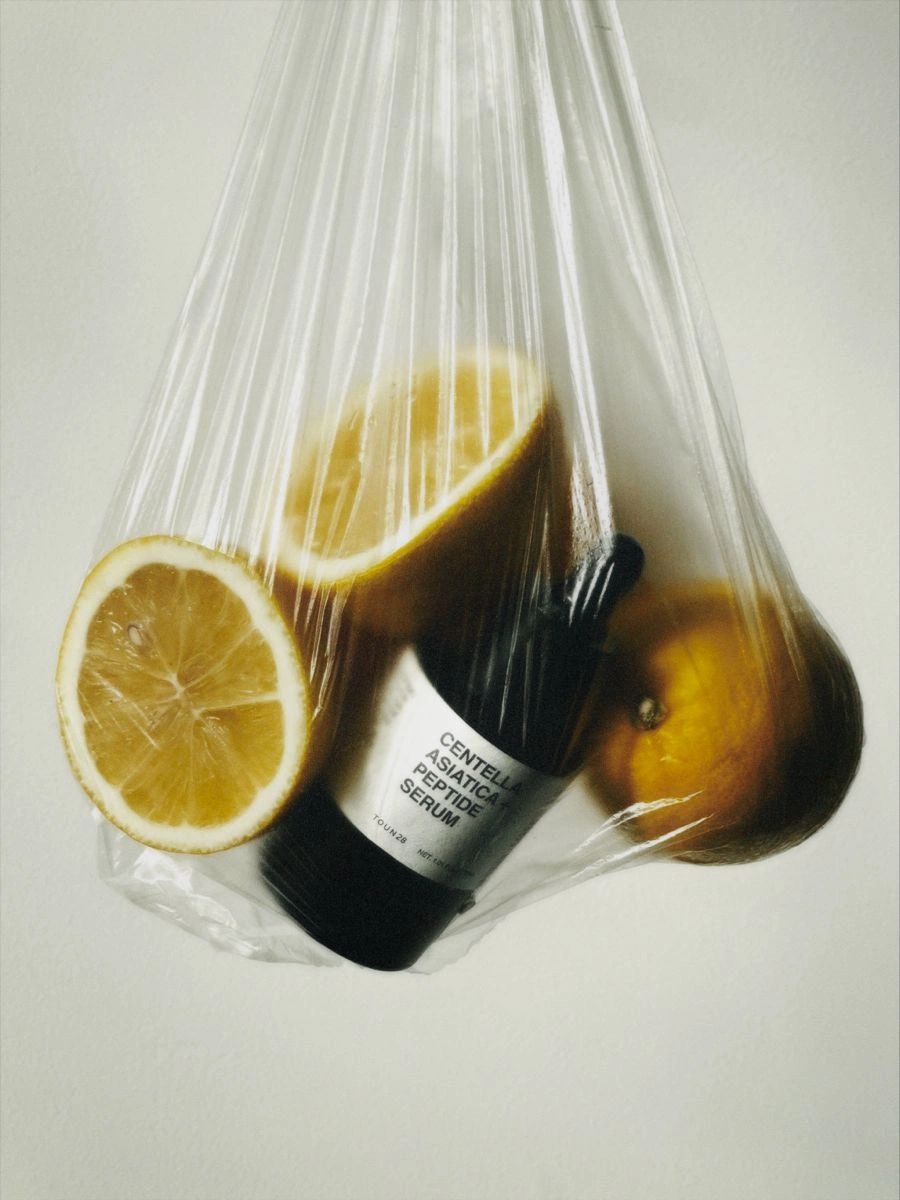
This ingredient-led boom coincides directly with the rise of direct-to-consumer skincare during the mid-2010s. Brands moved online while Facebook ads were still relatively cheap, and this perfect storm allowed them to speak directly to their consumers. Being able to speak directly to the consumer was great, and it was possible to bypass traditional customer communication (through intermediaries like retailers), but it rewrote the marketing playbook because brands had to find a new way of building trust, and en masse.
What worked was education. Brands that could explain why and how their product was better than someone else’s converted quickly. Digital advertising rewards repetition, simplicity, nothing is simpler to explain than an ingredient the customer already understands. A customer already knows that a retinol serum will work, without the brand having to explain and prove that it works. Retinol has been used in pharmacies, clinics and dermatologist-led conversations for years, so much of the trust-building has already been done elsewhere. “Contains new biotech extract that can help reduce the appearance of wrinkles” requires a little (a lot) more trust building before the customer can add to cart.
This whole cycle was amplified by algorithmic compounding, and now, we need to make sure our product is legible or identifiable online. The easier an ingredient is to explain, the cheaper they are to market. In the ideal scenario, the customer arrives pre-educated.
Novel ingredients might work but beautifully but have to carry the cost of education themselves. That active extracted from a desert plant found in the depths of Africa might be fascinating, but if the consumer has never heard of it, cannot remember it, cannot spell it, and does not know what its supposed to do, the brand has to build the entire bridge from awareness to trust on its own.
And when trust breaks down, consumers reach for brand familiarity rather than ingredient knowledge anyways. 46% rely on good reviews when buying beauty products, and 26% rely on friend recommendations.
One thing to remember, is that familiarity is not understanding, but rather, pattern recognition. Consumers hear ‘hyaluronic acid’ repeatedly and associate it with trustworthy product they’ve seen perform well and select it on that basis. ‘Hyaluronic acid’ is also very easy to remember when you’re shopping for a hydrating serum. They don't search for the name of a novel peptide they've never encountered (it’s hard to remember how to spell sh-oligopepetide-11 or what Hydrolysed Adansonia Digitata Seed Extract does ).
Brands anchored to well-known ingredients (through clinics, traditional use or years of repeated marketing) accumulate organic traffic, SEO authority, and social search visibility. Google, TikTok and Instagram, editorial round ups all compound this effect. When magazine articles recommend ‘best retinol serums’, you can start to see why brands might play it safe and come out with another iteration of a ‘peptide blend’. At the point of sale, novel ingredients and technologies can become invisible.
I get it. Sometimes we must play the game as ‘our digital nature’ intended, but there is an implication that the industry has mistaken a marketing equilibrium for consumer preference. It is a self-reinforcing loop and almost impossible to break.
As a chemist ad product developer, I refuse to allow the algorithm to limit the types of innovation we can use in our formulas, because then the product is not the product any longer. Yet we cannot pretend that novelty sells itself. A product cannot be unfamiliar in every direction at once.
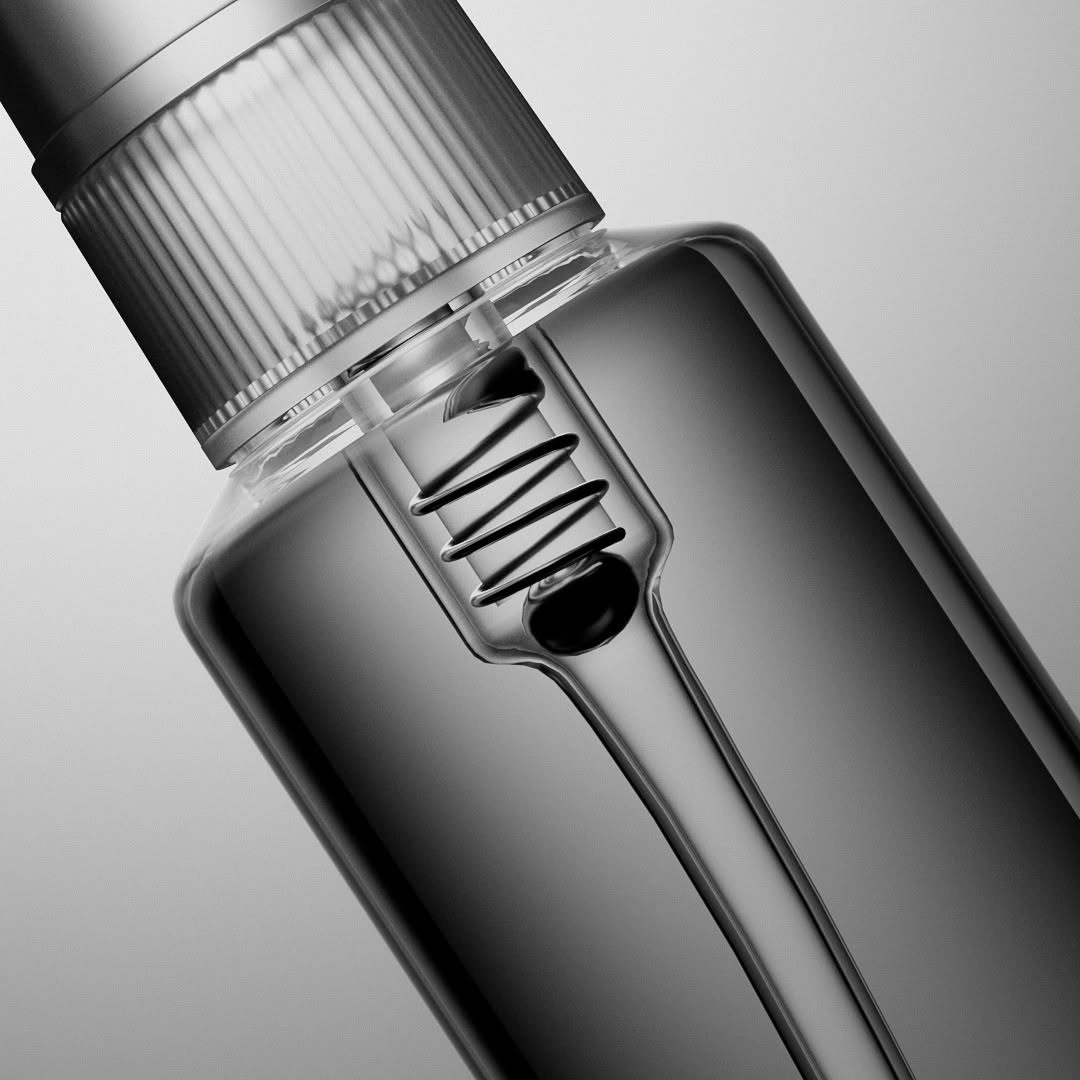
This is where we can be a bit more strategic in other aspects of the formulation that is more recognizable, to help introduce novel concepts in conjunction. A recognizable packaging can make an unfamiliar active feel intuitive. We can’t raw dog it with multiple novel concepts and this is a balance that the brand must get right.
The algorithm has trained beauty brands to prioritize what I repeatable and instantly recognizable, and many brands fall into the trap of boring, soulless products. It might be easier to sell but it has also narrowed the way innovation appears on shelf. The answer is not to reject familiarity, but to use it strategically so that genuinely novel formulation ideas can still survive commercially.